From "Pet Owner" to "Pet Parent"
The language shift is subtle but significant. "Pet owner" implies property. "Pet parent" implies family. And that shift in language reflects a deep shift in spending, expectations, and behaviour.
According to the 2025 AMA Pet Report, Australians now spend $21.3 billion annually on pet care, a 35% increase since 2022. Per-dog spending has reached approximately $3,300 per year (PIAA).
The PIAA describes this as a shift towards "human-style" pet care, where pet parents prioritise premium nutrition, preventive health, and personalised services to give their companions the very best.
For pet service businesses, this isn't just interesting. It's transformational.
What Humanisation Changes About Your Business
1. Expectations for Personalisation
Pet parents don't want a generic service. They want providers who know their pet by name, remember their preferences, and treat them as an individual.
What this means practically:
- Record detailed preferences for every pet (grooming style, behaviour notes, health observations, favourite treats)
- Reference these details at every visit ("Bella loves the blueberry facial, shall we add that today?")
- Keep comprehensive health records (vaccinations, allergies, medications)
The businesses that do this well create loyalty that price alone can never buy.
2. Demand for Transparency and Communication
When you leave a family member in someone's care, you want to know how they're doing. Pet parents increasingly expect:
- Updates during services: A quick photo or message during daycare, boarding, or grooming
- Detailed handover reports: What happened, what was noticed, any recommendations
- Access to records: The ability to check their pet's history, upcoming bookings, and package balances
3. Premium Service Tiers
Humanisation has created demand for services that didn't exist a decade ago:
- Enrichment daycare (structured activities, brain games, supervised socialisation) vs basic "watch your dog in a yard" daycare
- Boutique boarding (suites, personal attention, webcams, gourmet meals) vs kennel-style boarding
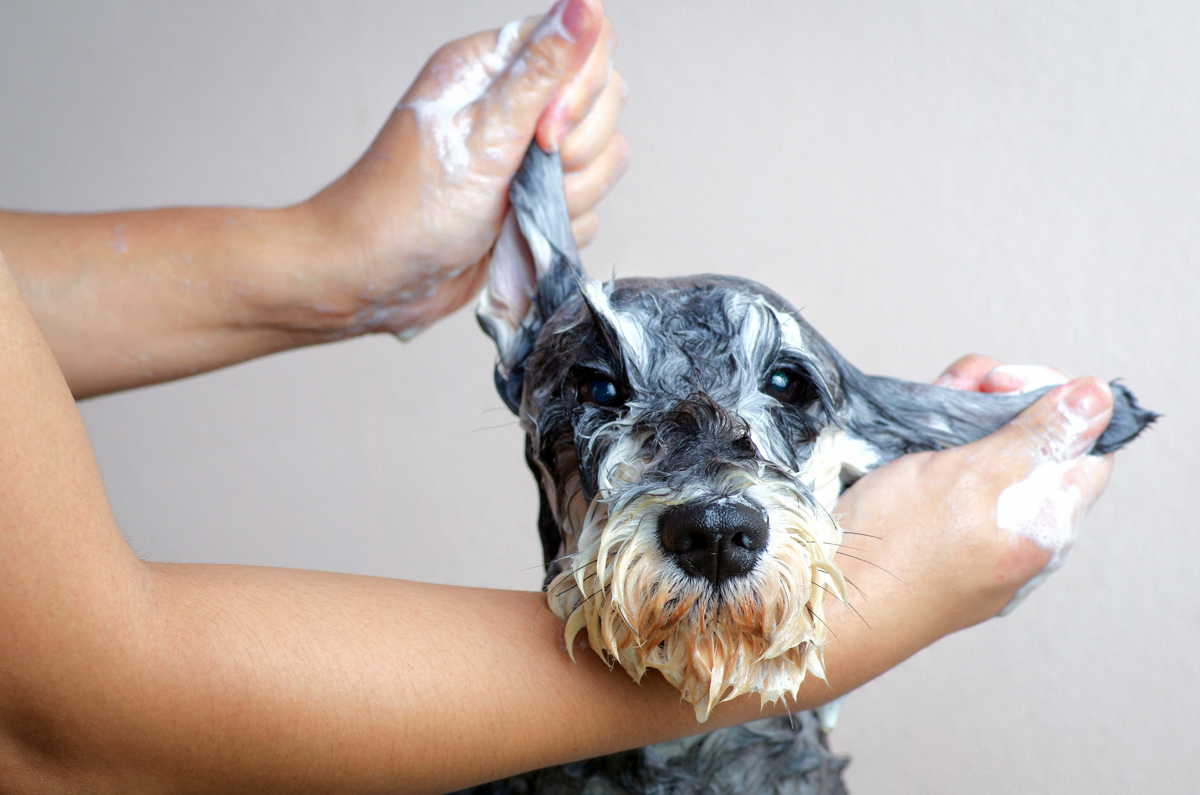
- Breed-specific grooming (Asian Fusion, hand-stripping, show preparation) vs "one cut fits all"
- Anxiety-conscious training (positive reinforcement, fear-free methods) vs traditional obedience
Each premium tier commands higher prices and attracts clients who are less price-sensitive.
4. Higher Willingness to Pay
The maths is clear: if pet parents are spending $3,300 per year per dog, and services account for a significant share of that, there is genuine willingness to pay for quality care.
A 2025 Wahl survey found that millennial pet parents spend an average of $3,420 per year on their dogs, and 72% book professional groomers every 2-3 months. Gen Z pet parents, while spending slightly less overall, place even higher value on eco-friendly and ethically sourced products and services.
The Documentation Expectation
One underappreciated aspect of humanisation: pet parents want records.
They want to know:
- When their pet was last vaccinated (and when the next one is due)
- What grooming style was used last time
- What their pet's weight trend looks like
- What notes the groomer or daycare staff made about their pet's behaviour or health
This isn't about bureaucracy. It's about the level of care they expect for a family member. A doctor keeps records. A dentist keeps records. Pet parents increasingly expect their pet's groomer, daycare, and boarding provider to keep records too.
Practical Ways to Align Your Business
You don't need to become a luxury brand overnight. But you can align with humanisation trends in small, meaningful ways:
| Action | Effort | Impact |
|---|---|---|
| Use the pet's name in every interaction | Zero | High |
| Record preferences after every visit | Low | High |
| Send one photo per daycare/boarding day | Low | Very high |
| Offer a premium add-on menu | Low | Medium |
| Create detailed pet profiles with history | Medium | Very high |
| Introduce a premium service tier | Medium | High |
| Provide post-visit care recommendations | Low | Medium |
Key Takeaways
- Pet humanisation is the defining trend of the Australian pet services industry
- Per-pet spending is at record levels ($3,300/year per dog), driven by the "pet as family" mindset
- Personalisation is expected: know the pet, remember their needs, treat them as individuals
- Communication builds trust: updates, photos, detailed handovers, accessible records
- Premium tiers are in demand: enrichment daycare, boutique boarding, breed-specific grooming
- Willingness to pay is high, especially among millennials (72% use professional groomers)
- Documentation matters: pet parents expect records similar to what a healthcare provider maintains
The pet humanisation trend isn't a fad. It's a structural shift in how Australians relate to their pets. The businesses that recognise this and align their services, communication, and pricing accordingly will thrive.
Sources: Animal Medicines Australia 2025 Pet Report, PIAA Industry Statistics, Wahl Australia 2025 Survey