Note: This article discusses general industry practices. For specific behaviour or welfare concerns, consult a qualified veterinarian or certified animal behaviourist.
The Evolution of Dog Daycare
Traditional dog daycare was simple: put dogs together, let them play, supervise for safety. It worked, but increasingly, progressive daycares are asking whether "free for all" play is actually the best approach.
The emerging standard is structured enrichment: purposeful activities that engage dogs mentally, not just physically. And the evidence suggests this approach produces calmer, happier dogs and justifies premium pricing.
What's Wrong with "Free Play Only"?
Unstructured play isn't inherently bad. Dogs need social interaction and physical exercise. But relying exclusively on free play has limitations:
Overarousal
When dogs run and chase for hours, arousal levels can escalate. What starts as play can become overstimulated, frantic behaviour. Dogs go home "wired" rather than "tired."
Missed Mental Stimulation
Physical exercise is only part of what dogs need. Mental stimulation, through problem-solving, scent work, and learning, tires dogs differently and more effectively.
Conflict Risk
In large groups with constant activity, conflicts are more likely. Dogs don't get breaks. Quiet dogs get overwhelmed. Confident dogs practice pushy behaviour.
Limited Differentiation
Every daycare offers "play." If that's your only service, you're competing on price. There's no way to stand out.
The Enrichment Alternative
Structured enrichment programs include:
1. Rotating Activities Throughout the Day
Instead of continuous free play, the day includes varied activities:
| Time | Activity |
|---|---|
| 8-9am | Arrival, settling, sniff walks |
| 9-10am | Enrichment station 1 (puzzle feeders) |
| 10-11am | Small-group play (matched by energy) |
| 11am-12pm | Rest and calm-down |
| 12-1pm | Lunch, quiet time |
| 1-2pm | Enrichment station 2 (scent games) |
| 2-3pm | Training games |
| 3-4pm | Small-group play |
| 4-5pm | Calm activities, departure prep |
Dogs get physical activity, mental stimulation, and rest.
2. Mental Stimulation Activities
Puzzle feeders: Kongs, slow feeders, snuffle mats, food puzzles
Scent work: Hidden treats, scent trails, find-it games
Training games: Recall practice, impulse control games, new tricks
Calm-down protocols: Settle on a mat, relaxation exercises
3. Appropriate Groupings
Instead of one big play group, dogs are matched by:
- Energy level (high-energy with high-energy)
- Play style (chasers with chasers, wrestlers with wrestlers)
- Size (for safety)
- Social confidence (confident dogs don't overwhelm shy ones)
4. Rest Periods
Dogs need downtime. Mandatory rest periods (in crates, on mats, or in quiet spaces) let arousal levels reset. Dogs learn that daycare includes calm time, not just go-go-go.
Benefits of Structured Enrichment
For Dogs
Mental tiredness: A dog who's done puzzle work is more satisfied than one who's just run.
Lower arousal: Regular breaks prevent escalation.
Learning: Dogs develop skills (impulse control, calm behaviour).
Less stress: Shy or anxious dogs aren't overwhelmed.
For Staff
Easier management: Structured activities are easier to supervise than chaotic free play.
Less burnout: Constant vigilance in high-energy groups is exhausting.
Skill development: Staff learn animal behaviour skills, not just supervision.
For the Business
Premium pricing: "Enrichment daycare" commands higher prices than "doggy playtime."
Differentiation: Stand out from competitors offering basic supervision.
Customer satisfaction: Dogs go home calm and happy, not wired or anxious.
Fewer incidents: Lower arousal means fewer conflicts.
What Enrichment Looks Like in Practice
Example: Puzzle Feeder Station
Setup: 6 dogs, 6 Kongs stuffed with treats, mats spaced 2 metres apart.
Staff ratio: 1:6 for this activity
Duration: 15-20 minutes
What staff do: Observe, redirect if needed, praise calm behaviour.
What dogs learn: Working for food is satisfying. Good things happen when you're calm.
Example: Scent Game
Setup: Treats hidden around a room or outdoor area.
Dogs: 3-4 at a time (reduces competition)
Duration: 10-15 minutes
What dogs learn: Sniffing is rewarding. Exploring is fun.
Example: Training Practice
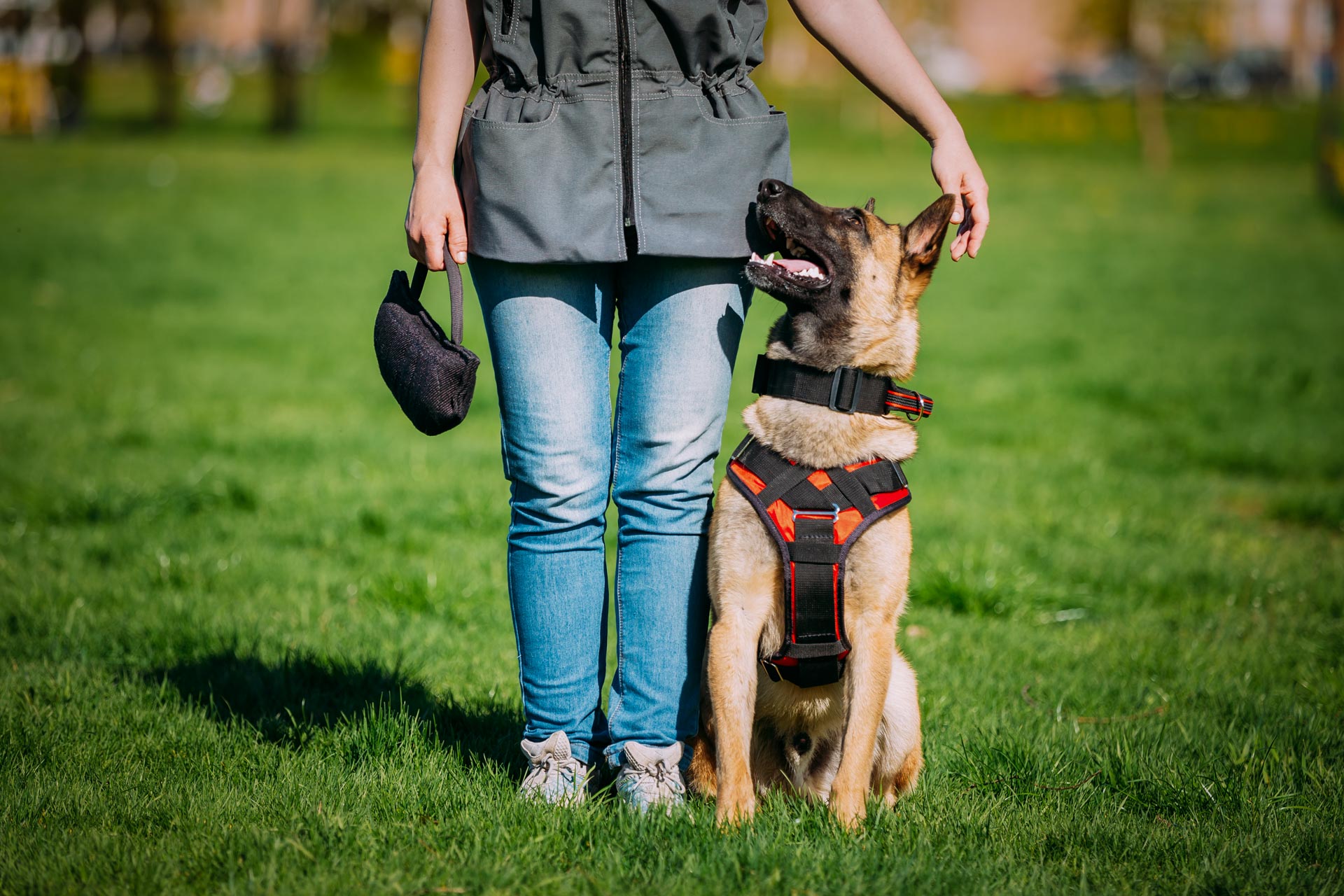
Setup: Individual or small group. Recall practice, "wait" at doors, "settle" on mat.
Staff ratio: 1:3 for active training
Duration: 10 minutes (short, positive sessions)
What dogs learn: Good things happen when you listen.
Implementing Enrichment in Your Daycare
Start Small
You don't need to overhaul your entire program at once. Start with:
- One enrichment activity per day
- Mandatory rest period after lunch
- Smaller play groups (energy-matched)
Train Your Staff
Enrichment requires skill. Staff need to understand:
- Dog body language (when to intervene)
- Enrichment activity facilitation
- How to teach calm behaviour
- When free play should be interrupted
Communicate with Customers
Parents love hearing what their dog did all day. Enrichment gives you stories to tell.
Basic daycare: "Max had a good day playing with his friends."
Enrichment daycare: "Max did scent work this morning and found all his treats! He practiced his recall and settled beautifully during rest time. He played with Luna and Cooper in the afternoon."
Which sounds more valuable?
Price Accordingly
If you're investing in enrichment, your prices should reflect it.
Basic daycare (free play only): Market rate
Enrichment daycare (structured activities): 20-30% premium
Customers who want more than a "parking lot for dogs" will pay for quality.
Petboost and Daycare Operations
While Petboost doesn't tell you how to run your enrichment program, it helps with the operational side:
Sessions: Define morning, afternoon, or full-day daycare sessions with appropriate capacity limits.
Pet profiles: Track each dog's play style, group preferences, and enrichment notes.
Capacity management: Ensure groups stay within safe limits.
Customer communication: Send updates about what dogs did during their day.
The Bottom Line
Structured enrichment is becoming the standard in quality daycares. It's better for dogs (mental stimulation, lower arousal, skill building), better for staff (easier management, skill development), and better for business (premium pricing, differentiation).
If you're still running "free play only," consider adding enrichment activities. Start small, train your team, and communicate the value to customers.
Ready to Run a Better Daycare?
Petboost helps daycares manage sessions, capacity, and customer communication. See how it works.
Start your free 14-day trial →
Learn more about daycare features or see our pricing.