The 8:01 AM Problem
Picture this: You open at 8am. You have 6 grooming appointments for the day. Plenty of time. But somehow, all 6 customers arrive in the first 10 minutes.
Your lobby is chaos. Dogs are barking. Owners are waiting. You're trying to check in 6 dogs with 2 hands. It takes 30 minutes before everyone is sorted and you can actually start grooming.
This happens because of how your booking system thinks about capacity.
Sequential vs Parallel Capacity
There are two ways to think about capacity:
Sequential Capacity
"How many can I do in a day?"
This counts total appointments regardless of when they happen. If you can groom 12 dogs in a day, your sequential capacity is 12.
The problem: it doesn't care when those 12 dogs arrive. They could all book the first slot.
Parallel Capacity
"How many can I do at the same time?"
This limits how many appointments can overlap. If you have 3 grooming stations and 3 groomers, your parallel capacity is 3.
This prevents 6 dogs booking the same 8am slot when you can only handle 3 at once.
Why This Matters for Different Services
Grooming
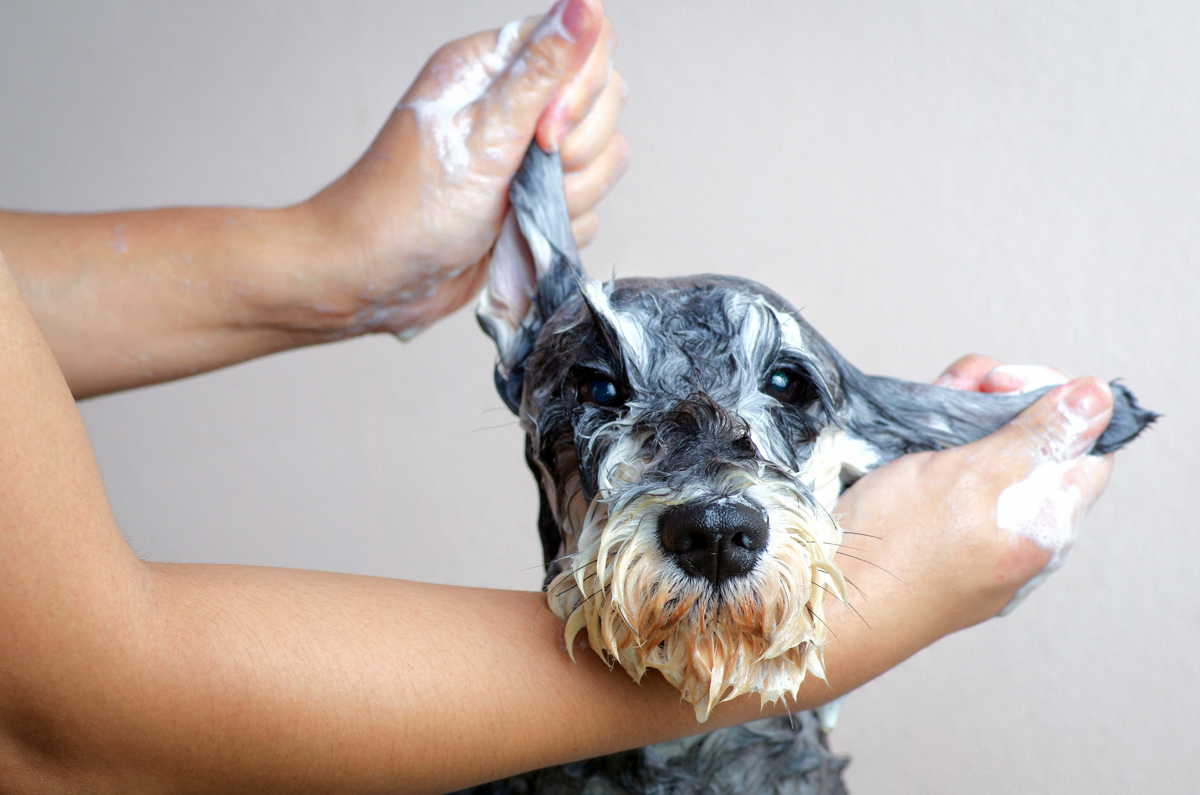
Groomers work on one dog at a time. A 3-groomer salon can handle 3 parallel appointments maximum.
Parallel capacity = Number of groomers working simultaneously
If all 3 start at 8am with 2-hour grooms, the next available slot is 10am.
Daycare
Daycare is different. Multiple dogs are present simultaneously, but you need to control arrival flow.
Parallel capacity for drop-off = How many dogs you can check in at once
If you can process 4 drop-offs in a 15-minute window, set that as your arrival capacity.
Parallel capacity for play = Total dogs in facility at once
This might be 20, 30, or more depending on space and staffing.
Walking
Dog walkers often handle groups. A walker might take 4 dogs at once.
Parallel capacity = Dogs per walk × Walkers available
If you have 2 walkers who each take 4 dogs, your parallel capacity for a time slot is 8.
Setting Up Parallel Capacity
Here's how to think through your limits:
Step 1: Identify Your Bottleneck
What limits how many you can do at once?
| Service | Typical Bottleneck |
|---|---|
| Grooming | Groomers (or drying stations) |
| Daycare | Check-in staff (arrivals), space (total) |
| Walking | Walkers × dogs per walker |
| Training | Trainers × class size |
| Boarding | Kennels (or check-in capacity for arrivals) |
Step 2: Set Your Limits
Configure your booking system with these limits:
Per-slot limits: How many appointments can start at the same time Per-resource limits: How many per grooming station, kennel, play area
Step 3: Stagger Start Times
Don't let all appointments start at exactly 8:00am. Options:
- 15-minute start intervals (8:00, 8:15, 8:30)
- Different arrival windows by surname or pet
- Premium early slots with limited availability
Step 4: Account for Check-In Time
Remember that handling arrivals takes time. If check-in takes 5 minutes per dog and you have one person handling arrivals, you can only process 12 dogs per hour at the absolute maximum.
Build this into your capacity thinking.
Real-World Examples
Example 1: Solo Groomer
Situation: One groomer, working 8am-5pm, 1.5-hour average service
Parallel capacity: 1 (can only groom one dog at a time)
Sequential capacity: About 6 per day
Correct setup: One appointment slot at a time. Next slot opens when previous service ends.
Example 2: Multi-Groomer Salon
Situation: 4 groomers, different skill levels and speeds
Parallel capacity: 4 (one per groomer)
But consider: Staggered starts for lobby management. If all 4 start at 8am, that's 4 dogs checking in at once.
Better setup: Groomer A starts at 8:00, B at 8:15, C at 8:30, D at 8:45. Lobby never has more than 1-2 arrivals at once.
Example 3: Daycare with Morning Rush
Situation: 30-dog daycare, 2 staff at morning check-in
Total capacity: 30 dogs
Check-in capacity: 2 dogs per 5 minutes = 24 per hour
Problem: If 20 people book "morning drop-off" (7-8am), you can't process them fast enough.
Better setup: Allocate drop-off windows. 7:00-7:15 = 6 dogs max. 7:15-7:30 = 6 dogs max. Etc.
Common Capacity Mistakes
Mistake 1: Setting Daily Limits Only
"We can do 20 grooms a day, so set capacity to 20."
Result: All 20 book the first few slots. Chaos.
Fix: Set parallel capacity (how many at once) not just sequential (how many total).
Mistake 2: Ignoring Resource Constraints
"We have 4 groomers but only 2 drying stations."
Result: Dogs waiting wet for drying stations.
Fix: Capacity is limited by your scarcest resource. Model the bottleneck.
Mistake 3: No Buffer for Overruns
"Every groom is 1.5 hours, so I'll book them back-to-back."
Result: One difficult dog throws off the entire day.
Fix: Build padding between appointments. Even 15 minutes helps.
Mistake 4: Not Accounting for Check-In
"We can take 30 daycare dogs."
Result: 15 dogs arrive at 8:00am, creating 30 minutes of lobby chaos.
Fix: Separate arrival capacity from total capacity. Limit arrivals per time window.
How Petboost Helps
Petboost uses parallel capacity logic by default. When you set up resources (grooming stations, play areas, walkers), you specify how many can run at once. The system prevents overbooking automatically.
Capacity management shows real-time availability. Sessions control daycare arrival windows. Smart booking rules add padding between appointments.
The result: no more lobby rush.
The Bottom Line
Parallel capacity logic prevents the 8:01am rush by limiting how many appointments can overlap, not just how many you do per day.
Identify your bottleneck (usually staff or key resources), set appropriate parallel limits, and stagger start times. Your mornings will be calmer, your team less stressed, and your customers happier.
Ready for Smarter Capacity?
Petboost's capacity management prevents overbooking automatically. Real-time availability, resource tracking, and smart booking rules that actually work.